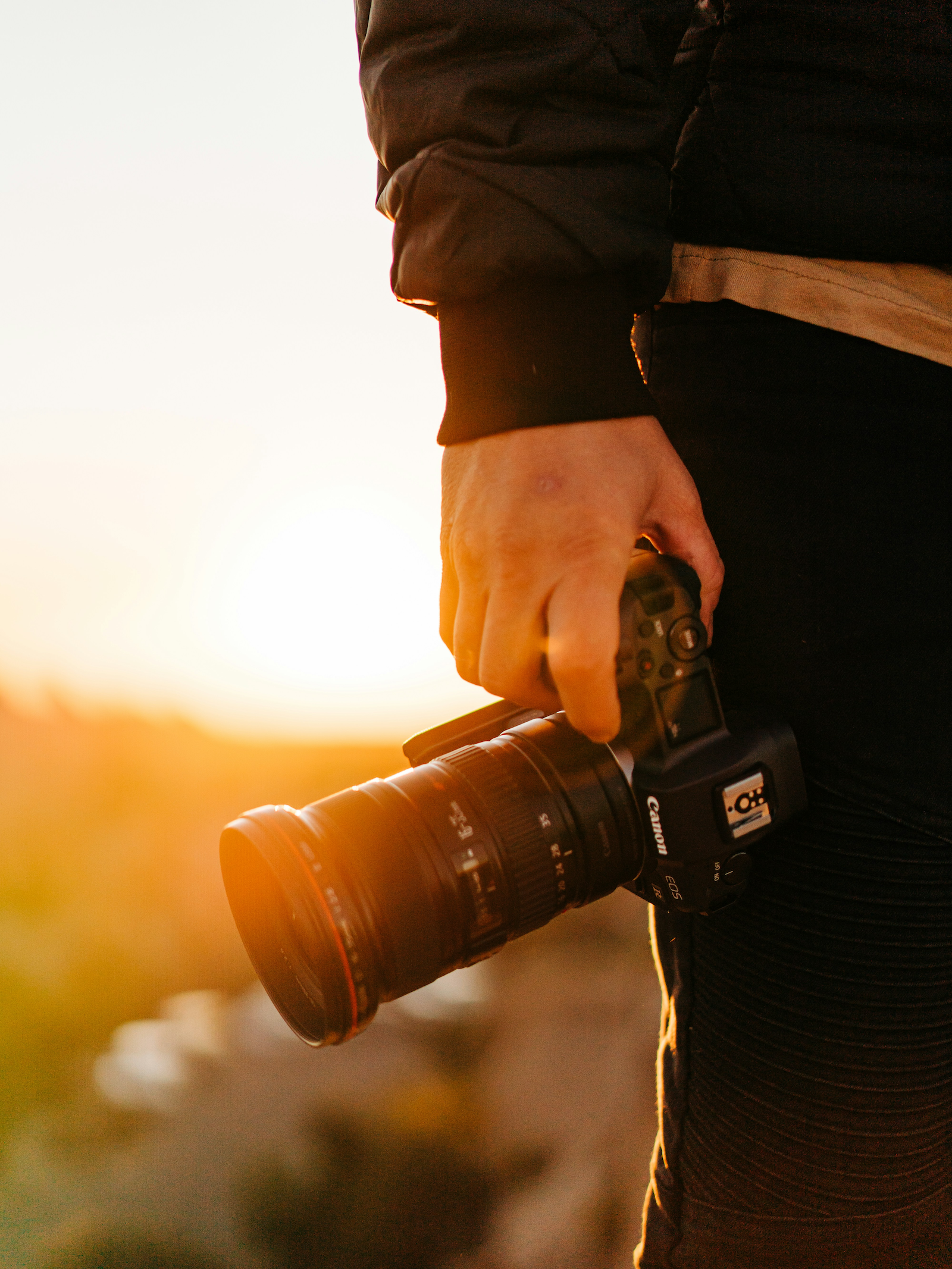

The quality of the images that you share on your website, social media and other marketing materials is one of the most important decisions you can make for your business. Today’s world is extremely visual and the perfect photo can make a winning first impression. While potential customers might not consciously know exactly what swayed them in your direction, imagery is often the key to success.
A professional photographer can offer unbeatable skill and creativity, but you might not always have the budget or the time to get them on site. For those situations, I can set you up to use lighting, environment and framing to create a gorgeous shot that will grab your audience’s attention. Bring customers to your door and create a strong brand, a successful business and a continually growing customer base with standout images that capture your passion.
Before the Shot
LIGHTING (“Part 1”)
Lighting is arguably one of the most critical elements of a good photo and there are two important points I want to make here:The best lighting is achieved with natural, indirect daylight (direct sun will cause harsh shadows). If you can take your photo outside or near a window, your phone camera will be able to capture a high-resolution image with vibrant color.
If you cannot use the sun, take the photo in a very well-lit spot, preferably with lighting that is not too cool or too warm.
ENVIRONMENT
Especially if you are taking a photo of a very familiar subject, you might not notice extraneous elements that have made it into the frame, but these can be a make-or-break feature of a photo if not caught before posting. Here is a short list of what to avoid; hopefully this can provide a good starting point:Electrical cords and outlets
Trash cans or trash
Obviously dirty surfaces
Wrinkled fabric
Rags or cleaning supplies
Pens, receipts, mail, etc.
Tags or labels
License plates
Utility wires or poles
PORTRAIT MODE
Use this setting on your phone to blur the background, bring the subject into focus and lend a polished quality to the photo. When using portrait mode, it can be intriguing to add bright colors or lights to the background.
After the Shot
Using the photo editing tools on your phone, you can then adjust:
LIGHTING (“Part 2”)
If you weren’t able to put yourself in a daylight location, there are still several edits to be made after the fact. In order, these are the adjustments that will provide a commendable substitute for natural light:Brightness – way up, often to 100
Highlight – up, sometimes just a bit, sometimes more; this can be adjusted in conjunction with bringing brightness down
Shadows – up, often a good bit
Contrast – either up or down, depending on what looks best for your photo and the color settings chosen below
COLOR
Rich, vibrant colors simply look better – just don’t go overboard!Saturation – I usually increase this by about 50%; greenery, for example, should look fresh and deep, but not ridiculously so!
Warmth – In order to avoid the yellow tones that are also automatically increased, you can bring the warmth down a good bit, sometimes down to -0 to allow the additional saturation to look natural.
If you are also considering hiring a professional, check out my guidance here.